Drama

Go Down, Death! (1944)

3/5 (1)

“Go Down, Death” is a 1944 film directed by and starring Spencer Williams. The film is loosely based on James Weldon Johnson’s poem and play of the same name.

The story follows the character of Martha Jane (played by Myra D. Hemmings), a young woman in a rural African American community in the South. Martha Jane is engaged to a man named Joe (played by Samuel H. James), but her mother disapproves of the relationship, believing that Joe is too poor and uneducated.

As Martha Jane struggles with her relationship, the community is also facing other challenges, including poverty, illness, and discrimination. Death (played by Spencer Williams) is depicted as a mystical figure who appears throughout the film, guiding the characters through their struggles and providing comfort in the face of death.

Throughout the film, the characters sing spirituals and engage in discussions about faith, justice, and the afterlife. Death is portrayed as a compassionate figure who understands the struggles of the community and offers hope for a better future.

The film uses a mix of African American music and language, along with elements of magical realism, to create a powerful and emotional portrayal of the African American experience in the South during the 1940s.

Overall, “Go Down, Death” is a unique and significant film in African American cinema, exploring themes of love, faith, and social justice in a powerful and emotional way.

Directors:
Spencer Williams

Writer:
Sam Elljay, Jean Roddy, James Weldon Johnson

Stars:
Myra D. Hemmings, Samuel H. James, Eddye L. Houston
Rate this Movie

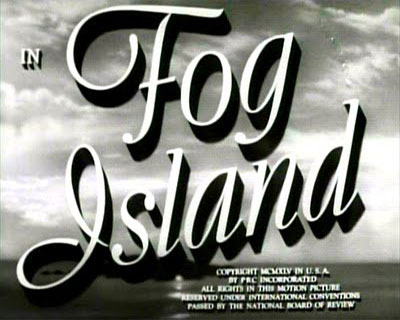
Fog Island (1945)

4.5/5 (4)

“Fog Island” is a 1945 mystery-thriller film directed by Terry O. Morse and starring George Zucco, Lionel Atwill, and Jerome Cowan. The plot centers around a group of people who are invited to a remote island by eccentric millionaire, Geoffrey Bishop, who they believe wants to discuss a business proposition with them. However, they soon realize that Bishop has other, more sinister plans.

As the group arrives on the fog-shrouded island, they discover that they are cut off from the mainland due to a storm. Strange occurrences begin to happen, and tension rises as each guest realizes that they are being targeted by an unknown assailant. The group soon learns that Bishop has invited them to the island to exact revenge on those he believes are responsible for his imprisonment and financial ruin.

As the story unfolds, the guests attempt to figure out who is behind the attacks and what Bishop’s true motives are. In the end, they discover that Bishop is not who he appears to be and that his twisted plan involves framing one of the guests for his crimes.

The film is notable for its moody atmosphere, eerie setting, and use of suspenseful music to heighten tension. It is considered a classic example of the “old dark house” genre of thriller films that were popular in the 1930s and 1940s.

Directors:
Terry O. Morse

Writer:
Pierre Gendron, Bernadine Angus

Stars:
George Zucc, oLionel Atwill, Jerome Cowan

Rate this Movie

Extravagance (1930)

3/5 (1)

“Extravagance” is a 1930 pre-code drama film directed by Phil Rosen and starring Alice White, William Powell, and Myrna Loy.

The film follows the story of Nellie Nolan (White), a chorus girl who marries wealthy businessman Bill Wetherby (Powell) in a bid to escape her life of poverty. However, their marriage is fraught with problems as Bill’s socialite friends and family disapprove of Nellie and her working-class background.

As Nellie tries to fit in with high society, she finds herself drawn to Bill’s best friend, Ronnie (Henry Kolker), who shares her passion for the arts. As their relationship develops, Nellie becomes increasingly torn between her love for Ronnie and her loyalty to Bill.

The film explores themes of love, class, and the corrupting influence of wealth and power. The performances of White, Powell, and Loy are standout, with Loy playing the role of Bill’s sophisticated and manipulative sister.

“Extravagance” is a noteworthy pre-code film that depicts the excesses and scandals of the wealthy elite in the 1930s. The film’s melodramatic plot and stylish art deco design make it a must-see for fans of classic Hollywood cinema.

Directors:
Phil Rosen

Writer:
Andrew Percival Younger, Adele Buffington, Phil Rosen

Stars:
Owen Moore, June Collyer, Lloyd Hughes

Rate this Movie

Dick Tracy Detective (1945)

3/5 (1)

“Dick Tracy Detective” is a 1945 crime drama film directed by William A. Berke and starring Morgan Conway as the famous detective Dick Tracy.

The film follows the story of Dick Tracy as he investigates a series of crimes committed by a ruthless gang of criminals led by Steve “The Claw” Michel. The Claw and his gang have been terrorizing the city, committing robberies and murders without being caught.

As Tracy gets closer to unraveling the mystery behind The Claw, he discovers that the criminal mastermind has a personal vendetta against him. With the help of his trusted colleagues, Tracy sets out to bring The Claw to justice and put an end to his reign of terror.

Throughout the film, Tracy faces dangerous and thrilling challenges, including a high-speed car chase and a deadly confrontation with The Claw in a final showdown.

“Dick Tracy Detective” is a classic crime drama that captures the spirit of the iconic comic book character. Conway delivers a solid performance as Tracy, and the film’s action-packed plot and suspenseful twists keep viewers engaged until the end. The film remains a must-see for fans of crime dramas and the Dick Tracy franchise.

Directors:
William Berke

Writer:
Eric Taylor, Chester Gould

Stars:
Morgan Conway, Anne Jeffreys, Mike Mazurki

Rate this Movie

D.O.A. (1950)

4/5 (1)

“D.O.A.” is a 1950 film noir directed by Rudolph Maté and starring Edmond O’Brien and Pamela Britton.

The film follows the story of Frank Bigelow, a small-town accountant who arrives in San Francisco for a weekend of fun. However, after a night of heavy drinking, Frank wakes up to discover that he has been poisoned and has only a few days to live.

Desperate to find out who poisoned him and why, Frank embarks on a dangerous and thrilling investigation, leading him to a seedy underworld of crime and corruption. He encounters a cast of characters, including a shady nightclub owner and a mysterious blonde, all of whom may hold the key to his death.

As Frank’s health rapidly deteriorates, he races against time to uncover the truth and bring his killer to justice before it’s too late.

“D.O.A.” is a classic film noir that showcases the genre’s characteristic themes of corruption, crime, and moral ambiguity. O’Brien delivers a compelling performance as the doomed protagonist, and the film’s fast-paced and suspenseful plot keeps viewers on the edge of their seats. The film remains a classic of the genre and a must-see for fans of film noir.

Directors:
Rudolph Maté

Writer:
Russell Rouse, Clarence Greene

Stars:
Edmond O’Brien, Pamela Britton, Luther Adler

Rate this Movie

Downhill (1927)

3/5 (1)

“Downhill” is a 1927 silent drama film directed by Alfred Hitchcock and starring Ivor Novello, Isabel Jeans, and Robin Irvine.

The film follows the story of Roddy Berwick, a popular and wealthy young man who is falsely accused of fathering a child by a young woman. His reputation is ruined and his friends and family turn against him, leading him to leave school and set out on a downward spiral.

As he struggles to survive in the harsh realities of life, Roddy meets a series of characters who take advantage of him and lead him further down the path of despair. He becomes involved with a dance hall girl, loses his job, and is forced to sleep on the streets.

In the end, Roddy is rescued by his former schoolmaster, who helps him clear his name and rebuild his life. He reconciles with his family and friends, but the experiences he has gone through have left their mark on him.

“Downhill” is a poignant and powerful drama that explores the themes of social class, reputation, and the harsh realities of life. Hitchcock’s skillful direction and Novello’s powerful performance make the film a classic of the silent era, and a must-see for fans of the director and the genre.

Directors:
Alfred Hitchcock

Writer:
Constance Collier, Ivor Novello, Eliot Stannard

Stars:
Ivor Novello, Ben Webster, Norman McKinnel

Rate this Movie

Dick Tracy Meets Gruesome (1947)

3/5 (1)

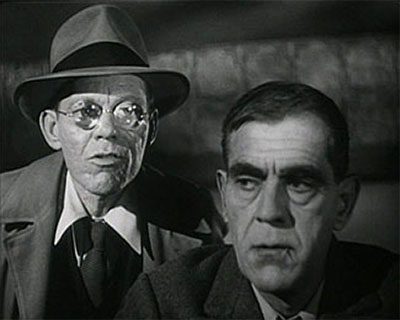
“Dick Tracy Meets Gruesome” is a 1947 crime thriller film based on the popular comic strip character Dick Tracy. The film was directed by John Rawlins and stars Ralph Byrd as Dick Tracy, Anne Gwynne as Tess Trueheart, and Boris Karloff as Gruesome.

In the film, Dick Tracy is investigating a series of robberies and murders that appear to be connected to a notorious criminal named Gruesome. Gruesome is a mysterious and dangerous figure who has eluded the police for years, and Tracy is determined to bring him to justice.

As Tracy gets closer to Gruesome, he finds himself facing numerous dangers, including being held captive by the criminal mastermind and his henchmen. With the help of his loyal partner, Pat Patton, and his girlfriend Tess Trueheart, Tracy must use all of his detective skills to outsmart Gruesome and bring him to justice.

Throughout the film, Tracy and Gruesome engage in a thrilling game of cat-and-mouse, with Tracy always one step behind Gruesome. But in the end, Tracy is able to outwit Gruesome and bring him to justice, foiling his plans and saving the day.

“Dick Tracy Meets Gruesome” is a classic crime thriller filled with suspense, action, and intrigue, and is a must-see for fans of the genre and the Dick Tracy character.

Directors:
John Rawlins

Writer:
Robertson White, Eric Taylor, William Graffis

Stars:
Boris Karloff, Ralph Byrd, Anne Gwynne

Rate this Movie

Danger Ahead (1935)

3/5 (1)

“Danger Ahead” is a 1935 adventure film directed by Albert Herman and starring Dick Foran, Ann Doran, and Gordon Westcott.

The film follows the story of Bob Martin, a young engineer who is hired by a construction company to oversee the building of a new railroad. As he works on the project, he discovers that a rival company is trying to sabotage the construction in order to secure the rights to build the railroad themselves.

Bob and his team must face many challenges and dangers as they try to complete the railroad on time, including floods, rockslides, and attacks from the rival company’s hired thugs. Along the way, Bob falls in love with the daughter of the owner of the construction company, but their romance is threatened by the sabotage and danger around them.

As the deadline for completion of the railroad approaches, Bob and his team must work tirelessly to overcome the obstacles in their way and finish the project on time. In the end, they are successful, and the new railroad is built, bringing prosperity to the area and thwarting the plans of the rival company.

“Danger Ahead” is a classic adventure film filled with action, romance, and suspense, and is a must-see for fans of the genre.

Directors:
Albert Herman

Writer:
Peter B. Kyne, Al Martin

Stars:
Lawrence Gray, Sheila Bromley, J. Farrell MacDonald

Rate this Movie

Dick Tracy’s Dilemma (1947)

3/5 (1)

“Dick Tracy’s Dilemma” is a 1947 crime thriller film based on the popular comic strip character Dick Tracy. The film was directed by John Rawlins and stars Ralph Byrd as Dick Tracy, Lyle Latell as Pat Patton, and Kay Christopher as Tess Trueheart.

In the film, Dick Tracy is investigating a series of murders that seem to be linked to a new nightclub in town. As he delves deeper into the case, he discovers that the owner of the nightclub, Louie the Wolf, is using it as a front for his illegal activities.

Tracy’s investigation is complicated when he discovers that his own brother, Gordon, is involved with Louie and is being blackmailed. Tracy must navigate his loyalty to his family and his duty as a police officer while trying to bring Louie to justice.

Throughout the film, Tracy faces many obstacles and dangers, including being kidnapped and locked in a room with a ticking time bomb. But with the help of his loyal friend and partner Pat Patton, and his girlfriend Tess Trueheart, Tracy is able to solve the case and bring the criminals to justice.

“Dick Tracy’s Dilemma” is a classic crime drama filled with suspense, action, and intrigue, and is a must-see for fans of the genre and the Dick Tracy character.

Directors:
John Rawlins

Writer:
Robert Stephen Brode, Chester Gould

Stars:
Ralph Byrd, Lyle Latell, Kay Christopher

Rate this Movie

Cause for Alarm! (1951)

3.5/5 (2)

“Cause for Alarm!” is a film noir released in 1951, directed by Tay Garnett and starring Loretta Young and Barry Sullivan. The film follows the story of a woman named Ellen Jones (played by Young), who becomes increasingly paranoid after her husband George (played by Sullivan) is diagnosed with a heart condition and dies suddenly.

Ellen becomes convinced that her husband’s doctor, Dr. Ranney (played by Bruce Cowling), is responsible for her husband’s death and is now trying to harm her as well. She writes a letter to the district attorney accusing Dr. Ranney of murder, but her plan backfires when her husband’s friend and colleague, Lieutenant Ed Cullen (played by Charles Drake), becomes suspicious of her behavior.

As the investigation unfolds, it becomes clear that Ellen’s accusations are unfounded and that she is suffering from a severe case of paranoia. Her mental state continues to deteriorate, leading to a dramatic confrontation with Lt. Cullen.

The film explores themes of grief, paranoia, and the dangers of jumping to conclusions without evidence. It also highlights the pressures faced by women in the 1950s, particularly the pressure to conform to traditional gender roles and the stigma surrounding mental illness.

Overall, “Cause for Alarm!” is a gripping and suspenseful film that delves into the darker aspects of the human psyche, while also highlighting the importance of seeking help and support when struggling with mental health issues.

Directors:
Tay Garnett

Writer:
Mel Dinelli, Tom Lewis, Lawrence B. Marcus

Stars:
Loretta Young, Barry Sullivan, Bruce Cowling

Rate this Movie

Captain Kidd (1945)

4/5 (1)

“Captain Kidd” is a 1945 adventure film directed by Rowland V. Lee and starring Charles Laughton, Randolph Scott, and Barbara Britton. The film is loosely based on the historical figure of Captain William Kidd, a notorious pirate who was eventually captured and executed for his crimes.

In the film, Captain Kidd (Laughton) is commissioned by the British government to sail to Madagascar and attack a French vessel carrying treasure. Kidd recruits a crew of pirates and sets out on his mission, but soon finds himself at odds with his crew and his own conscience.

As Kidd and his crew continue their voyage, they face a variety of obstacles and dangers, including storms, mutiny, and attacks by rival pirates. Kidd also becomes romantically involved with a woman named Lady Ann Falconer (Britton), who is traveling to Madagascar to marry the governor of the island.

The film culminates in a thrilling showdown between Kidd and the British navy, as he attempts to evade capture and escape with the treasure. “Captain Kidd” is known for its swashbuckling action sequences, as well as Charles Laughton’s dynamic performance as the charismatic but conflicted pirate. While the film takes many liberties with the historical facts, it remains a popular and entertaining adventure story.

Directors:
Rowland V. Lee

Writer:
Norman Reilly Raine, Robert N. Lee

Stars:
Charles Laughton, Randolph Scott, Barbara Britton

Rate this Movie

Borderline (1950)

3/5 (1)

“Borderline” is a 1950 film noir directed by William A. Seiter and starring Fred MacMurray, Claire Trevor, and Raymond Burr. The film follows a border patrol officer named Johnny Macklin (MacMurray) who falls in love with a woman named Madeleine Haley (Trevor) while investigating a smuggling operation on the U.S.-Mexico border.

As Macklin delves deeper into the case, he becomes increasingly suspicious of Madeleine’s involvement and her true motives. He is also targeted by the ruthless smugglers, led by a man named Pete Ritchie (Burr), who will stop at nothing to protect their operation.

As the tension builds and the danger increases, Macklin must navigate a complex web of deceit and betrayal to uncover the truth and bring the smugglers to justice. Along the way, he must also confront his own feelings for Madeleine and the moral dilemmas he faces as a law enforcement officer.

“Borderline” is known for its gripping storyline and atmospheric visuals, as well as the strong performances of its lead actors. The film explores themes of love, loyalty, and the corrupting influence of power, and remains a classic example of the film noir genre.

Directors:
William A. Seiter

Writer:
Devery Freeman

Stars:
Fred MacMurray, Claire Trevor, Raymond Burr

Rate this Movie

Broken Blossoms (1919)

4/5 (1)

“Broken Blossoms” is a 1919 silent drama film directed by D.W. Griffith and starring Lillian Gish, Richard Barthelmess, and Donald Crisp. The film tells the story of a young girl named Lucy Burrows (Gish) who is mistreated by her father, a brutish prizefighter named Battling Burrows (Crisp), and finds solace in the kindness of a Chinese man named Cheng Huan (Barthelmess).

Cheng Huan is a Buddhist who has come to London to spread the teachings of his religion. When he meets Lucy, he takes her under his wing and protects her from her abusive father. The two develop a close friendship, which eventually turns into a romantic love affair.

However, their relationship is met with disapproval from both the Chinese and Western communities, and when Lucy’s father discovers their relationship, he becomes enraged and takes drastic action. The film concludes with a tragic and heart-wrenching climax that highlights the consequences of racism and abuse.

“Broken Blossoms” is notable for its portrayal of Asian characters and themes, which was relatively uncommon in American cinema at the time. The film is also celebrated for its powerful performances and its exploration of complex social issues, including domestic violence and racial prejudice.

Directors:
D.W. Griffith

Writer:
Thomas Burke, D.W. Griffith

Stars:
Lillian Gish, Richard Barthelmess, Donald Crisp

Rate this Movie

Blue Angel (1930)

4.5/5 (2)

“The Blue Angel” is a 1930 German tragicomedy film directed by Josef von Sternberg. The film tells the story of an older and respected high school professor, Immanuel Rath (played by Emil Jannings), who becomes infatuated with a young cabaret singer, Lola Lola (played by Marlene Dietrich), after visiting her nightclub, “The Blue Angel.”

Rath becomes obsessed with Lola, attending her performances night after night and showering her with gifts. Eventually, he convinces her to leave her life as a performer and run away with him. They marry and settle down in his hometown, but their relationship quickly deteriorates as Rath becomes increasingly jealous and possessive of Lola. She eventually grows tired of his controlling behavior and resumes her career as a performer, leading to a final confrontation between the two.

The film was highly influential and made a star out of Marlene Dietrich, who would go on to become one of the most iconic actresses of the 20th century. The film’s themes of obsession and the dangers of romanticizing those from different social classes resonated with audiences at the time and continue to be relevant today.

Directors:
Josef von Sternberg

Writer:
Heinrich Mann, Carl Zuckmayer, Karl Vollmöller

Stars:
Emil Jannings, Marlene Dietrich, Kurt Gerron

Rate this Movie

Beyond Tomorrow (Beyond Christmas) (1940)

3/5 (1)

“Beyond Tomorrow,” also known as “Beyond Christmas,” is a 1940 Christmas fantasy film directed by A. Edward Sutherland. The story revolves around three wealthy and lonely businessmen named George, Allan, and Michael who decide to spend Christmas together.

While vacationing in New York City, the three men meet a young woman named Jean Lawrence and invite her to join them for dinner. They all get along well, and the three men feel a deep connection with Jean.

However, tragedy strikes when the three men are killed in a plane crash on their way home from vacation. After their deaths, they become ghosts and try to help Jean and her struggling career as a singer.

The ghosts arrange for Jean to meet a young and ambitious businessman named James Houston, and the two begin a relationship. However, the ghosts fear that James is not the right man for Jean and try to intervene.

In the end, the ghosts are able to help Jean find true love with Jim, who is revealed to be the long-lost son of one of the businessmen. The film ends with the three ghosts ascending to heaven, content that they were able to help Jean find happiness.

The film is notable for its heartwarming story of love and redemption and its themes of generosity and selflessness. It also features an early use of special effects to depict the three ghosts and their interactions with the living world.

Directors:
A. Edward Sutherland

Writer:
Adele Comandini, Mildred Cram

Stars:
Harry Carey, C. Aubrey Smith, Charles Winninger

Rate this Movie