admin

Charlie Chaplin’s Making A Living (1914)

3/5 (1)

“Making A Living” is a silent comedy film directed by Henry Lehrman and released in 1914. The film stars Charlie Chaplin in his first film role for Keystone Studios, where he would go on to become a major star.

The film follows the exploits of Chaplin’s character, a swindler named Edgar English, who is trying to make a living by any means necessary. He starts off by trying to sell a fake stock certificate to a wealthy man, but when that fails, he tries his hand at journalism, posing as a reporter to get a scoop on a local murder case.

Along the way, Edgar English gets into all sorts of comical situations, including accidentally sitting on a woman’s hat and getting into a fight with a rival journalist. Despite his best efforts, however, he is never able to make a real success of himself, and by the end of the film, he is back to his old tricks, trying to swindle someone out of their money.

Despite its relatively simple plot, “Making A Living” is notable for introducing many of the comedic elements that would become hallmarks of Chaplin’s later work. The film features Chaplin’s signature tramp costume, as well as his distinctive physical humor and facial expressions. It also showcases his talent for improvisation and his ability to turn even the most mundane situations into comedy gold.

While “Making A Living” was not a huge commercial success upon its initial release, it helped to establish Chaplin as a rising star in the world of silent comedy, paving the way for many of his most famous films in the years to come.

Directors:
Henry Lehrman

Writer:
Reed Heustis

Stars:
Charles Chaplin, Emma Clifton, Chester Conklin
Rate this Movie

Cops (1922)

4/5 (1)

“Cops” is a silent comedy film directed by Edward F. Cline and Buster Keaton, and released in 1922. The film follows the misadventures of a young man, played by Buster Keaton, who accidentally finds himself on the wrong side of the law.

The film begins with Buster Keaton’s character, who is referred to only as “The Boy,” trying to impress a young woman by pretending to be a successful businessman. However, his attempts at showing off his wealth backfire when he accidentally locks himself out of his own house and is forced to climb through a window to get back in. Unbeknownst to him, the house has just been burglarized, and when he emerges from the window, he is mistaken for the thief by a passing policeman.

The rest of the film follows The Boy as he tries to evade the police and clear his name. Along the way, he gets into all sorts of comical situations, including accidentally setting off a chain of events that causes chaos in the streets and inadvertently getting involved in a high-speed chase.

Despite his best efforts, The Boy eventually ends up in jail, where he makes a daring escape and ends up causing even more trouble on the streets. The film culminates in a hilarious chase sequence, as The Boy and a gang of police officers pursue each other through the city streets.

In the end, The Boy is able to clear his name and win the affection of the young woman he was trying to impress at the beginning of the film. “Cops” is considered one of Buster Keaton’s most iconic films, and is notable for its inventive stunts and hilarious physical comedy.

Directors:
Edward F. Cline, Buster Keaton

Writer:
Buster Keaton, Edward F. Cline

Stars:
Buster Keaton, Edward F. Cline, Virginia Fox

Rate this Movie

Convict 13 (1920)

4/5 (1)

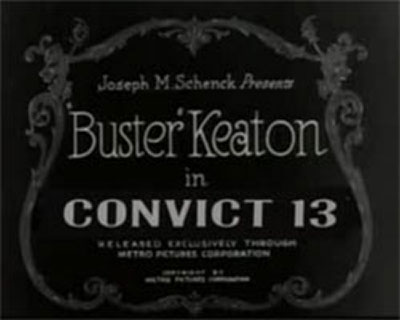
“Convict 13” is a 1920 silent comedy film directed by and starring Buster Keaton. The film follows Keaton’s character, a young man who is mistaken for a prison inmate and sentenced to death by hanging. However, during the execution, a bolt of lightning strikes the gallows, knocking out the guards and allowing Keaton to escape.

As Keaton attempts to flee, he comes across a golfer who has been knocked unconscious. Keaton takes the man’s clothes and impersonates him, joining a group of wealthy golfers on the course. Despite his lack of experience, Keaton manages to hold his own on the links, using his own unique style and techniques.

As the game progresses, Keaton must dodge the suspicious prison guards and the real golfer’s angry girlfriend. The film culminates in a hilarious and thrilling finale as Keaton faces off against his pursuers on the golf course.

“Convict 13” is known for its inventive physical comedy and Keaton’s acrobatic stunts, as well as its creative use of sound effects and camera tricks. The film also showcases Keaton’s skill as a filmmaker, as he directed and edited the film himself. “Convict 13” remains a classic example of early silent comedy and a testament to Keaton’s enduring talent and influence.

Directors:
Edward F. Cline, Buster Keaton

Writer:
Edward F. Cline, Buster Keaton

Stars:
Buster Keaton, Sybil Seely, Joe Roberts

Rate this Movie

Coney Island (1917)

4/5 (1)

“Coney Island” is a 1917 silent comedy film directed by Roscoe Arbuckle and starring Arbuckle, Mabel Normand, and Al St. John. The film is set at the famous Coney Island amusement park in New York, and follows the antics of a group of characters who work and play there.

Arbuckle plays a bumbling waiter named Fatty who has a crush on a beautiful dancer named Mabel (Normand). Mabel is also pursued by a wealthy playboy named Larry (St. John), who competes with Fatty for her affections.

As the story unfolds, the characters become embroiled in a series of humorous misadventures, including mistaken identities, pranks, and a wild ride on a rollercoaster. Along the way, they encounter a colorful cast of supporting characters, including a strongman, a fortune teller, and a pickpocket.

“Coney Island” is known for its slapstick humor and fast-paced action, as well as the chemistry between Arbuckle and Normand, who were frequent collaborators in silent comedy. The film is also notable for its early use of location shooting and its depiction of the vibrant culture and atmosphere of Coney Island during the early 20th century.

Directors:
Roscoe ‘Fatty’ Arbuckle

Writer:
Roscoe ‘Fatty’ Arbuckle

Stars:
Roscoe ‘Fatty’ Arbuckle, Buster Keaton, Joe Bordeaux

Rate this Movie

Captain Kidd (1945)

4/5 (1)

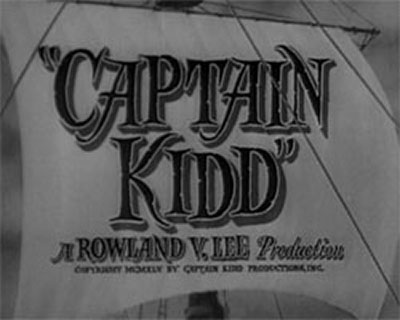
“Captain Kidd” is a 1945 adventure film directed by Rowland V. Lee and starring Charles Laughton, Randolph Scott, and Barbara Britton. The film is loosely based on the historical figure of Captain William Kidd, a notorious pirate who was eventually captured and executed for his crimes.

In the film, Captain Kidd (Laughton) is commissioned by the British government to sail to Madagascar and attack a French vessel carrying treasure. Kidd recruits a crew of pirates and sets out on his mission, but soon finds himself at odds with his crew and his own conscience.

As Kidd and his crew continue their voyage, they face a variety of obstacles and dangers, including storms, mutiny, and attacks by rival pirates. Kidd also becomes romantically involved with a woman named Lady Ann Falconer (Britton), who is traveling to Madagascar to marry the governor of the island.

The film culminates in a thrilling showdown between Kidd and the British navy, as he attempts to evade capture and escape with the treasure. “Captain Kidd” is known for its swashbuckling action sequences, as well as Charles Laughton’s dynamic performance as the charismatic but conflicted pirate. While the film takes many liberties with the historical facts, it remains a popular and entertaining adventure story.

Directors:
Rowland V. Lee

Writer:
Norman Reilly Raine, Robert N. Lee

Stars:
Charles Laughton, Randolph Scott, Barbara Britton

Rate this Movie

Borderline (1950)

3/5 (1)

“Borderline” is a 1950 film noir directed by William A. Seiter and starring Fred MacMurray, Claire Trevor, and Raymond Burr. The film follows a border patrol officer named Johnny Macklin (MacMurray) who falls in love with a woman named Madeleine Haley (Trevor) while investigating a smuggling operation on the U.S.-Mexico border.

As Macklin delves deeper into the case, he becomes increasingly suspicious of Madeleine’s involvement and her true motives. He is also targeted by the ruthless smugglers, led by a man named Pete Ritchie (Burr), who will stop at nothing to protect their operation.

As the tension builds and the danger increases, Macklin must navigate a complex web of deceit and betrayal to uncover the truth and bring the smugglers to justice. Along the way, he must also confront his own feelings for Madeleine and the moral dilemmas he faces as a law enforcement officer.

“Borderline” is known for its gripping storyline and atmospheric visuals, as well as the strong performances of its lead actors. The film explores themes of love, loyalty, and the corrupting influence of power, and remains a classic example of the film noir genre.

Directors:
William A. Seiter

Writer:
Devery Freeman

Stars:
Fred MacMurray, Claire Trevor, Raymond Burr

Rate this Movie

Border Law (1931)

4/5 (1)

“Border Law” is a 1931 Western film directed by Louis King and starring Buck Jones, Carmelita Geraghty, and Wallace MacDonald. The film tells the story of a Texas Ranger named Jim Warren (Jones) who is sent to investigate a series of murders that have been occurring along the Mexican border.

As Warren delves deeper into the investigation, he discovers that the murders are part of a larger criminal conspiracy involving corrupt officials and organized crime syndicates. Warren teams up with a Mexican woman named Raquel (Geraghty) to uncover the truth and bring the criminals to justice.

Along the way, Warren and Raquel face a variety of obstacles and dangers, including treacherous terrain, hostile locals, and violent criminals. They must also navigate their own romantic feelings for each other, which are complicated by their cultural differences and the tensions between their respective countries.

The film culminates in a thrilling shootout and a dramatic confrontation between Warren and the main villain. “Border Law” is known for its exciting action sequences and its exploration of themes of justice and cross-cultural relationships. Buck Jones’s performance as the heroic Texas Ranger helped cement his reputation as one of the leading stars of the Western genre.

Directors:
Louis King

Writer:
Stuart Anthony

Stars:
Buck Jones, Lupita Tovar, Jim Mason

Rate this Movie

Billy the Kid Trapped (1942)

3/5 (1)

“Billy the Kid Trapped” is a 1942 Western film directed by Sam Newfield and starring Buster Crabbe, Al St. John, and Anne Jeffreys. The film tells the story of Billy the Kid (Crabbe), who is falsely accused of a series of murders and must clear his name while on the run from the law.

The film opens with Billy being arrested and taken to trial for the murders. Despite his protestations of innocence, he is found guilty and sentenced to hang. However, Billy manages to escape from jail with the help of his friend Fuzzy (St. John), and the two set out to prove his innocence and bring the real killers to justice.

As they search for the true culprits, Billy and Fuzzy encounter a variety of obstacles and adversaries, including corrupt lawmen and ruthless criminals. They are aided along the way by a woman named Rita (Jeffreys), who becomes romantically involved with Billy.

The film climaxes with a thrilling showdown between Billy and the villains, as he finally clears his name and brings the real killers to justice. “Billy the Kid Trapped” is known for its fast-paced action and colorful characters, as well as its charismatic lead performance by Buster Crabbe. The film was part of a series of Westerns featuring the iconic character of Billy the Kid, which was popular during the 1940s and 1950s.

Directors:
Sam Newfield

Writer:
Joseph O’Donnell

Stars:
Buster Crabbe, Al St. John, Malcolm ‘Bud’ McTaggart

Rate this Movie

Bride of the Gorilla (1951)

3/5 (1)

“Bride of the Gorilla” is a 1951 horror film directed by Curt Siodmak and starring Barbara Payton, Lon Chaney Jr., and Raymond Burr. The film tells the story of a plantation owner named Barney Chavez (Burr) who is cursed by a local witch doctor and transforms into a gorilla at night.

Chavez is married to the beautiful Dina Van Gelder (Payton), who becomes suspicious of her husband’s strange behavior and begins to investigate the rumors of the curse. As she uncovers more about the curse and its origins, she becomes increasingly fearful for her own safety.

Meanwhile, the local police captain (Chaney Jr.) begins to investigate a string of murders that have been occurring in the area, which he suspects may be related to Chavez’s curse. As the investigation deepens and the truth is revealed, Dina must confront the terrifying reality of her husband’s transformation and the dark forces that have cursed their lives.

” Bride of the Gorilla” is known for its atmospheric setting and suspenseful plot, as well as the memorable performances of its cast. The film is considered a classic of the “jungle horror” subgenre, which was popular in the 1950s and often featured exotic settings, supernatural elements, and creatures of the jungle.

Directors:
Curt Siodmak

Writer:
Curt Siodmak

Stars:
Barbara Payton, Lon Chaney Jr., Raymond Burr

Rate this Movie

Broken Blossoms (1919)

4/5 (1)

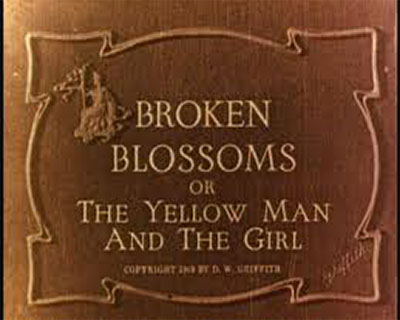
“Broken Blossoms” is a 1919 silent drama film directed by D.W. Griffith and starring Lillian Gish, Richard Barthelmess, and Donald Crisp. The film tells the story of a young girl named Lucy Burrows (Gish) who is mistreated by her father, a brutish prizefighter named Battling Burrows (Crisp), and finds solace in the kindness of a Chinese man named Cheng Huan (Barthelmess).

Cheng Huan is a Buddhist who has come to London to spread the teachings of his religion. When he meets Lucy, he takes her under his wing and protects her from her abusive father. The two develop a close friendship, which eventually turns into a romantic love affair.

However, their relationship is met with disapproval from both the Chinese and Western communities, and when Lucy’s father discovers their relationship, he becomes enraged and takes drastic action. The film concludes with a tragic and heart-wrenching climax that highlights the consequences of racism and abuse.

“Broken Blossoms” is notable for its portrayal of Asian characters and themes, which was relatively uncommon in American cinema at the time. The film is also celebrated for its powerful performances and its exploration of complex social issues, including domestic violence and racial prejudice.

Directors:
D.W. Griffith

Writer:
Thomas Burke, D.W. Griffith

Stars:
Lillian Gish, Richard Barthelmess, Donald Crisp

Rate this Movie

Bulldog Drummond’s Revenge (1937)

3/5 (1)

“Bulldog Drummond’s Revenge” is a 1937 mystery film directed by Louis King and starring John Barrymore, John Howard, and Louise Campbell. The film is part of a series of movies based on the popular British detective character Bulldog Drummond, created by H.C. McNeile.

In this installment, Drummond (Howard) is called upon to investigate a series of burglaries and murders that appear to be connected to a criminal mastermind known only as “The Voice.” As he delves deeper into the case, Drummond discovers that The Voice has a personal vendetta against him and is determined to destroy him.

With the help of his faithful friend Algy (Reginald Denny), Drummond sets out to catch The Voice and clear his own name. Along the way, they encounter a variety of obstacles and challenges, including corrupt police officers and dangerous criminal associates.

“Bulldog Drummond’s Revenge” is known for its suspenseful atmosphere and intricate plot, as well as the dynamic performances of its cast. The film was one of several in the Bulldog Drummond series, which was popular during the 1930s and 1940s for its fast-paced action and charismatic leading man.

Directors:
Louis King

Writer:
Edward T. Lowe Jr., Herman C. McNeile

Stars:
John Barrymore, John Howard, Louise Campbell

Rate this Movie

Bulldog Drummond in Africa (1938)

4/5 (1)

“Bulldog Drummond in Africa” is a 1938 adventure film directed by Louis King and starring John Howard, Heather Angel, and H.B. Warner. The film is part of a series of movies based on the popular British detective character Bulldog Drummond, created by H.C. McNeile.

In this installment, Drummond (Howard) and his fiancee Phyllis (Angel) travel to Africa to investigate the disappearance of an archeologist. Once they arrive, they discover that a mysterious and dangerous cult is responsible for the kidnapping, and that they are plotting to use the archeologist’s discovery to gain control of the region.

As they pursue the cult, Drummond and Phyllis face a variety of challenges and obstacles, including deadly animals and treacherous terrain. With the help of their African guide, they must navigate the dangers of the wilderness and outsmart the cult’s leaders in order to rescue the archeologist and stop their evil plans.

“Bulldog Drummond in Africa” is known for its thrilling action sequences and exotic setting, and was one of several films in the Bulldog Drummond series. The films were popular during the 1930s and 1940s and were known for their fast-paced action, suspense, and charismatic leading man.

Directors:
Louis King

Writer:
Garnett Weston, Herman C. McNeile

Stars:
John Howard, Heather Angel, H.B. Warner

Rate this Movie

Bulldog Drummond’s Peril (1938)

4/5 (1)

“Bulldog Drummond’s Peril” is a 1938 adventure film directed by James P. Hogan and starring John Barrymore, John Howard, and Louise Campbell. The film is part of a series of movies based on the popular British detective character Bulldog Drummond, created by H.C. McNeile.

The plot of the film revolves around Drummond (Howard) and his friend Algy (Reginald Denny) who travel to Morocco to rescue a kidnapped millionaire, who has been taken by a gang of ruthless criminals led by the evil Mikhail Valdin (Barrymore). Along the way, they encounter various dangers and obstacles, including treacherous terrain and hostile locals.

As they pursue the kidnappers, Drummond and his companions must use all their wits and skills to outsmart the criminals and save the millionaire. The film features several action-packed set pieces, including a thrilling car chase and a dramatic showdown in a desert fortress.

“Bulldog Drummond’s Peril” was one of several films in the Bulldog Drummond series, which was popular during the 1930s and 1940s. The films were known for their fast-paced action and suspense, as well as their charismatic leading man.

Directors:
James P. Hogan

Writer:
Stuart Palmer, Herman C. McNeile

Stars:
John Barrymore, John Howard, Louise Campbell

Rate this Movie

British Intelligence (1940)

4/5 (1)

“British Intelligence” is a 1940 spy thriller directed by Terry O. Morse and starring Boris Karloff, Margaret Lindsay, and Bruce Lester. The film is set in World War I and revolves around the efforts of British intelligence to infiltrate a German spy ring operating in London.

Karloff plays Valdar, a German spy who is posing as a scientist working for the British government. His true allegiance is discovered by a young British agent named Richard Hannay (Lester), who sets out to expose the spy ring and prevent Valdar from delivering vital military secrets to the Germans.

The film is notable for its patriotic themes and its depiction of the heroic efforts of British intelligence during the war. It also features several suspenseful action sequences, including a thrilling chase through the London underground.

“British Intelligence” was made at the height of World War II and was intended to boost morale and inspire audiences to support the war effort. The film was well-received upon its release and helped establish Karloff as a leading character actor.

Directors:
Terry O. Morse

Writer:
Lee Katz, Anthony Paul Kelly

Stars:
Boris Karloff, Margaret Lindsay, Bruce Lester

Rate this Movie

Bloodlust (1961)

3/5 (1)

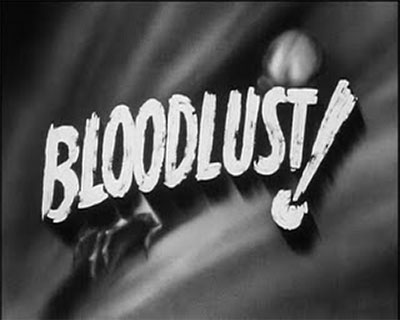
“Bloodlust!” is a 1961 horror-thriller film directed by Ralph Brooke and starring Wilton Graff, June Kenney, and Robert Reed. The plot centers around a group of teenagers who go on a pleasure trip to a remote island owned by a wealthy big-game hunter, who is actually a crazed psychopath who enjoys hunting and killing human beings.

The teens are initially unaware of the hunter’s true nature, but as they explore the island, they begin to realize that they are in grave danger. They try to escape, but the hunter and his henchmen are always one step ahead of them, and soon they find themselves hunted like animals.

The film was heavily inspired by Richard Connell’s classic short story “The Most Dangerous Game,” and features a similar premise of humans being hunted for sport. “Bloodlust!” was made on a low budget and features amateurish acting and production values, but its tense and suspenseful atmosphere has earned it a small cult following among horror fans.

Directors:
Ralph Brooke

Writer:
Ralph Brooke, Richard Connell

Stars:
Wilton Graff, June Kenney, Walter Brooke

Rate this Movie