Western

Lightning Carson Rides Again (1938)

3/5 (1)

“Lightning Carson Rides Again” is a Western movie released in 1938, directed by Sam Newfield and starring Tim McCoy, Joan Barclay, and Ted Adams. The film follows the story of a cowboy named Lightning Carson (Tim McCoy), who must protect a group of settlers from a gang of outlaws who are determined to drive them off their land.

The movie begins with Carson arriving in a small town where he meets the beautiful Julie Warren (Joan Barclay) and her father, a homesteader who has been targeted by a group of bandits led by the ruthless Ace Barco (Ted Adams). Carson takes on the job of protecting the Warren family and the other settlers in the area.

As Carson and Julie work to organize the settlers and defend themselves against the bandits, they also must contend with corrupt lawmen who are in cahoots with the outlaws. The situation becomes increasingly dangerous as the bandits step up their attacks, and Carson must use all his skills and cunning to outsmart them.

The movie features several thrilling action sequences, including a horseback chase and a dramatic showdown between Carson and Barco. Ultimately, Carson and the settlers are able to drive off the outlaws and establish a new community on the land they have fought so hard to protect.

Overall, “Lightning Carson Rides Again” is a classic Western movie that showcases Tim McCoy’s rugged charm and the timeless themes of justice and redemption that have made the genre so enduring.

Directors:
Sam Newfield

Writer:
Isadore Bernstein

Stars:
Tim McCoy, Joan Barclay, Ted Adams
Rate this Movie

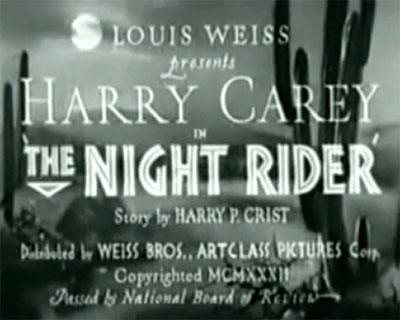
The Night Rider (1932)

3/5 (1)

“The Night Rider” is a Western movie released in 1932, directed by Fred Allen and starring Buck Jones, Dorothy Revier, and Frank Rice. The film follows the story of a cowboy named Jim Trask (Buck Jones), who is wrongly accused of robbery and murder and must clear his name.

The movie begins with Jim Trask and his partner, Frog Millhouse (Frank Rice), working for a local rancher. However, they are framed for a robbery and murder by a gang of outlaws led by the notorious Night Rider. Trask is forced to flee and go into hiding, while Frog is captured and held for trial.

As Trask tries to clear his name, he becomes embroiled in a range war between two rival ranchers. He also falls in love with the beautiful Alice (Dorothy Revier), the daughter of one of the ranchers. Despite the dangers and obstacles in his path, Trask remains determined to uncover the truth and bring the Night Rider to justice.

The movie features several thrilling action sequences, including a daring rescue mission and a dramatic shootout between Trask and the Night Rider. Ultimately, Trask is able to clear his name and restore his reputation, and he and Alice ride off into the sunset together.

Overall, “The Night Rider” is a classic Western movie that showcases Buck Jones’ rugged charm and the timeless themes of justice and redemption that have made the genre so enduring.

Directors:
Fred C. Newmeyer, William Nigh

Writer:
Harry L. Fraser

Stars:
Harry Carey, Elinor Fair, George ‘Gabby’ Hayes

Rate this Movie

Hell Town (1937)

3/5 (1)

“Hell Town” is a Western movie released in 1937, directed by Charles Barton and starring John Wayne, Marsha Hunt, and Johnny Mack Brown. The film follows the story of a drifter named Dare Rudd (John Wayne), who returns to his hometown and finds himself caught in a romantic triangle between two women.

Dare Rudd comes back to his hometown and finds that his old flame, Judy, has married his rival, Clark. Dare also meets Bess (Una Merkel), a spunky girl who has been infatuated with him since childhood. Dare tries to win back Judy’s affections, but she is torn between her feelings for Dare and her loyalty to her husband.

Meanwhile, the two feuding families in the town, the Tollivers and the Setons, are in constant conflict, and Dare finds himself caught in the middle. As the tensions between the families escalate, Dare becomes more involved in their feud, and he must use his wit and courage to bring peace to the town.

The movie features several thrilling action sequences, including a dramatic shootout between the two families and a horseback chase through the rugged terrain of the West. Ultimately, Dare must choose between his love for Judy and his duty to the town, leading to a dramatic finale that will keep viewers on the edge of their seats.

Overall, “Hell Town” is a classic Western movie that showcases the iconic performances of John Wayne and the timeless themes of love, loyalty, and redemption that have made the genre so enduring.

Directors:
Charles Barton

Writer:
Stuart Anthony, Robert Yost, Zane Grey

Stars:
John Wayne, Marsha Hunt, Johnny Mack Brown

Rate this Movie

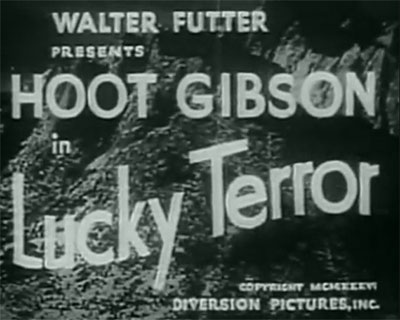
Lucky Terror (1936)

3/5 (1)

“Lucky Terror” is a Western movie released in 1936, directed by Roy William Neill and produced by Sol Lesser. The film stars George O’Brien as Tom Weston, a cowboy who is falsely accused of murder and must clear his name.

The movie begins with Weston being framed for a murder he didn’t commit by a gang of cattle rustlers. He manages to escape from jail and goes on the run, determined to clear his name and bring the real culprits to justice. Along the way, he teams up with a young woman named Ruth (Evalyn Knapp) who helps him in his quest.

As Weston and Ruth travel through the West, they encounter a series of challenges and obstacles, including hostile townspeople, dangerous animals, and treacherous terrain. But despite the odds against them, they continue to pursue the truth and eventually uncover the real culprits behind the murder.

In the final showdown, Weston confronts the gang leader, a ruthless outlaw named Ace Blackwood (Charles Middleton), and the two engage in a dramatic shootout. After a thrilling gunfight, Weston emerges victorious and is finally able to clear his name.

Overall, “Lucky Terror” is a fast-paced and entertaining Western that showcases the rugged beauty of the American West while delivering a gripping story of justice and redemption.

Directors:
Alan James

Writer:
Alan James, Roger Allman

Stars:
Hoot Gibson, Charles Hill, Lona Andre

Rate this Movie

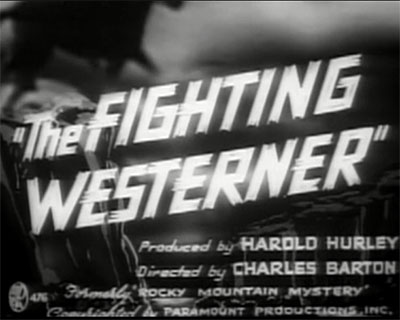
Rocky Mountain Mystery (1935)

3/5 (1)

Rocky Mountain Mystery is a 1935 western film directed by Charles Barton and starring Randolph Scott, Charles “Chic” Sale, and Kathleen Burke. The movie is about a U.S. Marshall, Bob Calem (Randolph Scott), who is sent to the Rocky Mountains to investigate a series of robberies in which the culprits are believed to be hiding out.

Upon arriving in town, Calem is mistaken for a notorious outlaw and is captured by a local sheriff. However, he is quickly able to prove his identity and is set free. Calem begins his investigation and, with the help of a local prospector, Marmaduke “Marm” Brown (Charles “Chic” Sale), he discovers a hidden valley where the robbers have been hiding out.

Calem also learns that the robbers are planning to carry out another robbery, and he sets out to stop them. In the ensuing gunfight, the robbers are defeated, and Calem is able to recover the stolen loot. In the end, Calem is hailed as a hero and leaves the Rocky Mountains with the gratitude of the locals.

Directors:
Charles Barton

Writer:
Edward E. Paramore Jr., Ethel Doherty, Zane Grey

Stars:
Randolph Scott, Charles ‘Chic’ Sale, Mrs. Leslie Carter

Rate this Movie

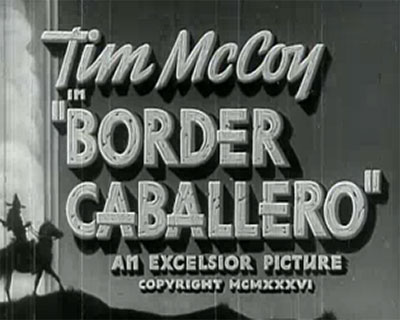
Border Caballero (1936)

3/5 (1)

“Border Caballero” is a western film released in 1936, directed by the legendary film maker, Wallace W. Fox, and starring Tim McCoy, Lois January, and Ralph Morgan.

The story follows Tim McCoy as Tim Ross, a government agent who is sent to the Mexican border to investigate a series of cattle rustling incidents. While there, he meets and falls in love with the beautiful rancher’s daughter, Dolores (played by Lois January). However, their romance is complicated by the fact that her father, Don Carlos (played by Joseph Schildkraut), is suspected of being involved in the cattle rustling.

As Tim investigates the cattle rustling, he uncovers a larger plot involving a gang of smugglers who are smuggling gold across the border. With the help of Dolores and his trusty horse, Diablo, Tim sets out to stop the smugglers and clear Don Carlos’ name.

Throughout the film, there are plenty of thrilling action sequences, including shootouts and horseback chases, as Tim and his companions face off against the smugglers. There is also some romance as Tim and Dolores develop feelings for each other, despite their conflicting loyalties.

In the end, Tim is able to stop the smugglers and clear Don Carlos’ name. He and Dolores ride off into the sunset together, with the promise of a bright future ahead of them. The film’s blend of action, romance, and adventure make it a classic example of the western genre, and Tim McCoy’s performance as the heroic agent adds depth and nuance to the character.

Directors:
Sam Newfield

Writer:
Norman S. Hall

Stars:
Tim McCoy, Lois January, Ralph Byrd

Rate this Movie

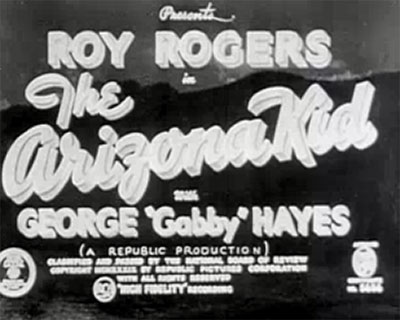
The Arizona Kid (1939)

3/5 (1)

“The Arizona Kid” is a western film released in 1939, directed by Joseph Kane and starring Roy Rogers, Gabby Hayes, and Sally March.

The story follows Roy Rogers as Roy Rogers (also known as “The Arizona Kid”), a wandering cowboy who comes to the aid of a group of farmers who are being terrorized by a gang of outlaws led by the notorious Wolf Reade (played by Harry Woods). With the help of his sidekick Gabby Whittaker (played by Gabby Hayes) and the beautiful Ellen Baker (played by Sally March), Roy sets out to put an end to the outlaw’s reign of terror.

As Roy and his companions try to find a way to stop the outlaws, they discover that there is more to the situation than meets the eye. The outlaws are working for a corrupt landowner named Henry Larrimore (played by Fred Kohler), who is trying to force the farmers off their land so he can take it over. Roy and his friends must not only fight the outlaws but also uncover the truth about Larrimore’s scheme and put an end to his plans.

Throughout the film, there are plenty of thrilling action sequences, including shootouts and horseback chases, as Roy and his companions face off against the outlaws. There is also some romance as Roy and Ellen develop feelings for each other, and Gabby provides some comic relief with his bumbling antics.

In the end, Roy and his friends are able to bring the outlaws to justice and expose Larrimore’s scheme. The farmers are able to keep their land, and Roy and Ellen ride off into the sunset together.

Directors:
Joseph Kane

Writer:
Luci Ward, Gerald Geraghty

Stars:
Roy Rogers, George ‘Gabby’ Hayes, Sally March

Rate this Movie

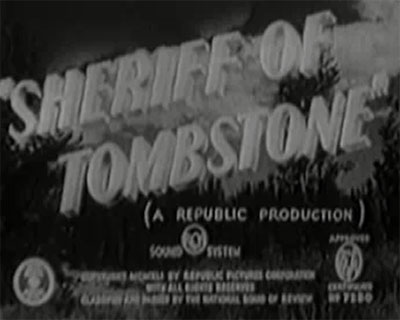
Sheriff of Tombstone (1941)

3/5 (1)

“Sheriff of Tombstone” is a Western film from 1941, directed by Joseph Kane and starring Roy Rogers, George “Gabby” Hayes, and Elyse Knox.

The film follows the story of Roy Rogers (played by himself), a lawman who is called in to help the people of Tombstone, Arizona, after their sheriff is killed by a gang of outlaws led by a man named Sam Drummond (played by Harry Woods). The outlaws are terrorizing the town and extorting money from the local businesses.

As Roy investigates the situation, he meets a woman named Julie (played by Elyse Knox), who runs a local hotel and is being targeted by Drummond and his gang. Roy and Julie quickly fall in love, but their relationship is complicated by the danger that surrounds them.

With the help of his trusty sidekick Gabby (played by George “Gabby” Hayes), Roy devises a plan to take down Drummond and his gang. The film features plenty of action-packed scenes, including shootouts and horseback chases, as well as musical performances by Roy.

Ultimately, Roy is able to bring Drummond and his gang to justice and restore order to Tombstone. The film ends with Roy and Julie sharing a romantic moment and looking forward to a brighter future.

“Sheriff of Tombstone” is a classic Western film that showcases the genre’s familiar themes of justice, loyalty, and romance. The film also features the iconic singing cowboy Roy Rogers, who was one of the most popular Western actors of his time.

Directors:
Joseph Kane

Writer:
James Webb, Olive Cooper

Stars:
Roy Rogers, George ‘Gabby’ Hayes, Elyse Knox

Rate this Movie

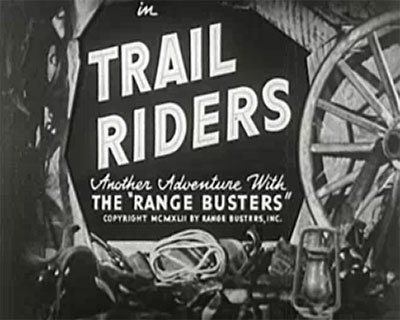
Trail Riders (1942)

4/5 (1)

“Trail Riders” is a Western film from 1942, directed by Robert Emmett Tansey and starring The Range Busters (Crash Corrigan, Dusty King, and Al “Fuzzy” St. John).

The film follows The Range Busters as they come to the aid of a group of settlers who are being harassed by a gang of outlaws led by the ruthless Bill Carson (played by Charles King). The settlers, who are trying to establish a new town called Independence, are being forced to pay protection money to Carson and his gang, who are trying to drive them off their land.

As The Range Busters investigate the situation, they discover that Carson has a personal vendetta against the leader of the settlers, a man named Ed Walker. The Range Busters also encounter a mysterious woman named Lila (played by Louise Currie), who seems to be connected to Carson and his gang.

With the help of the settlers, The Range Busters devise a plan to take down Carson and his gang once and for all. The film features plenty of action-packed scenes, including shootouts and horseback chases, as well as comedic moments provided by Al “Fuzzy” St. John.

“Trail Riders” is a classic B Western film that showcases the genre’s familiar themes of justice, loyalty, and bravery. The film also features The Range Busters, a popular trio of Western actors who starred in several films together during the 1940s.

Directors:
Robert Emmett Tansey

Writer:
Frances Kavanaugh, Robert Emmett Tansey

Stars:
John ‘Dusty’ King, David Sharpe, Max Terhune

Rate this Movie

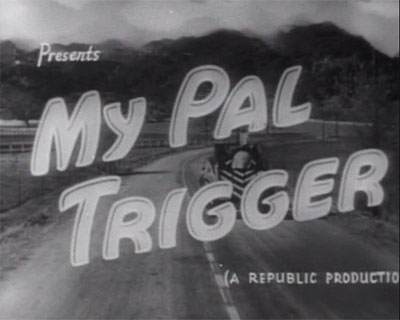
My Pal Trigger (1946)

4/5 (1)

“My Pal Trigger” is a Western film from 1946, directed by Frank McDonald and starring Roy Rogers, Trigger, and Dale Evans.

The film follows the story of Roy Rogers (played by himself), a horse trainer who discovers a beautiful wild stallion in the wilderness. Roy decides to train the stallion, whom he names Trigger, and the two quickly form a strong bond.

As Trigger becomes a famous rodeo horse, Roy falls in love with a woman named Claire (played by Dale Evans), who works as a singer in a local saloon. However, their relationship is complicated by the arrival of a villainous businessman named Weston (played by Jack Holt), who is trying to take over Claire’s saloon and is willing to resort to violence to get what he wants.

When Weston’s men steal Trigger and hold him for ransom, Roy and his friends must come up with a plan to rescue Trigger and bring Weston to justice. The film features plenty of action-packed scenes, including horseback chases and shootouts, as well as musical performances by Dale Evans.

Ultimately, Roy and his friends are able to save Trigger and stop Weston’s plans. The film ends with Roy and Claire getting married and Trigger becoming a beloved and famous rodeo horse.

“My Pal Trigger” is a classic Western film that showcases the bond between a man and his horse. The film also features the iconic singing duo of Roy Rogers and Dale Evans, who would go on to become one of the most popular couples in the history of Western films.

Directors:
Frank McDonald, Yakima Canutt

Writer:
Jack Townley, John K. Butler, Paul Gangelin

Stars:
Roy Rogers, Trigger, George ‘Gabby’ Hayes

Rate this Movie

I Killed Wild Bill Hickok (1956)

3/5 (1)

“I Killed Wild Bill Hickok” is a Western film from 1956, directed by Richard Talmadge and starring Tom Brown, Jody Lawrance, and John Kellogg.

The film is loosely based on the true story of Jack McCall (played by Tom Brown), a young man who shot and killed Wild Bill Hickok (played by John Kellogg) in Deadwood, South Dakota in 1876. The film follows McCall’s journey as he becomes a professional gambler and eventually sets his sights on killing Hickok, whom he blames for his brother’s death.

As McCall travels to Deadwood and prepares to carry out his plan, he becomes involved with a young woman named Amy (played by Jody Lawrance), who is also seeking revenge against Hickok for her father’s death. Together, McCall and Amy plot to kill Hickok, but their plan goes awry when McCall’s nerves get the best of him.

The film features plenty of shootouts and horseback chases, as well as a dramatic portrayal of the final moments of Wild Bill Hickok’s life. The film also explores themes of revenge, redemption, and the consequences of one’s actions.

“I Killed Wild Bill Hickok” is a fictionalized retelling of a real historical event, and while the film takes some liberties with the facts, it offers a compelling and entertaining glimpse into the Wild West and the people who lived and died during that time.

Directors:
Richard Talmadge

Writer:
Johnny Carpenter

Stars:
Johnny Carpenter, Helen Westcott, Tom Brown

Rate this Movie

Winds of the Wasteland (1936)

3/5 (1)

“Winds of the Wasteland” is a Western film from 1936, directed by Mack V. Wright and starring John Wayne and Yakima Canutt.

The film follows two telegraph operators, John Blair (played by John Wayne) and Larry Adams (played by Yakima Canutt), who lose their jobs when the telegraph becomes obsolete. They decide to start a pony express company and deliver mail between two towns in California.

As they set up their company, John and Larry face a number of challenges, including hostile Native Americans, corrupt businessmen, and a rival company who wants to put them out of business. They also must deal with personal conflicts, such as John’s romantic interest in one of the town’s wealthy women and Larry’s loyalty to his former employer.

Despite these challenges, John and Larry persevere and ultimately succeed in establishing their pony express company. Along the way, they prove themselves as capable and resourceful leaders, and they earn the respect and admiration of the people they serve.

“Winds of the Wasteland” is a classic Western film that showcases the spirit of the American West and the importance of hard work, perseverance, and community. The film also features John Wayne in one of his early leading roles, as he began to establish himself as one of the most popular and iconic Western actors of all time.

Directors:
Mack V. Wright

Writer:
Joseph F. Poland

Stars:
John Wayne, Phyllis Fraser, Lew Kelly

Rate this Movie

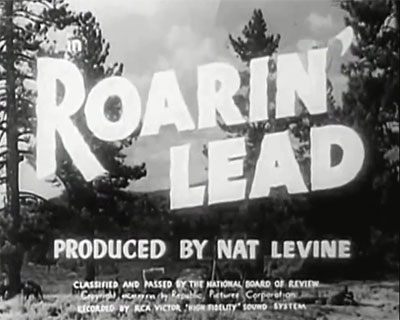
Roarin Lead (1936)

3/5 (1)

“Roarin’ Lead” is a Western film from 1936, directed by Sam Newfield and starring Tim McCoy, Joan Woodbury, and Paul Fix.

The film follows Tim Corwin (played by Tim McCoy), a government agent who is sent to investigate a series of stagecoach robberies that have been occurring in the area. Tim soon discovers that the robberies are being carried out by a gang of outlaws led by a man named Jim Parker (played by Wheeler Oakman).

As Tim investigates the robberies, he meets a young woman named Betty (played by Joan Woodbury) who is trying to protect her father’s ranch from being taken over by the outlaws. Tim decides to help Betty and her father by going undercover and joining the gang.

Tim’s plan works, and he is soon accepted into the gang. He discovers that Jim Parker is not the true leader of the gang, but rather a man named Charlie Garrety (played by Paul Fix). Tim works to gather evidence against Garrety and bring him to justice, all while trying to protect Betty and her father from harm.

The film features plenty of shootouts and horseback chases, as well as a romantic subplot between Tim and Betty. In the end, Tim is able to bring Garrety to justice and restore peace to the area.

“Roarin’ Lead” is a classic example of a Western B-movie, featuring a hero who fights against corruption and lawlessness in the Wild West. The film also showcases the rugged landscapes and rugged lifestyle of the Old West.

Directors:
Sam Newfield, Mack V. Wright

Writer:
Oliver Drake, Jack Natteford, William Colt MacDonald

Stars:
Robert Livingston, Ray Corrigan, Max Terhune

Rate this Movie

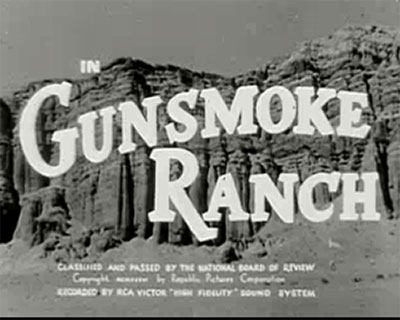
Gunsmoke Ranch (1937)

3/5 (1)

“Gunsmoke Ranch” is a Western film from 1937, directed by Joseph Kane and starring Robert Livingston, Ray “Crash” Corrigan, and Max Terhune as the Three Mesquiteers.

The film follows the Three Mesquiteers as they investigate a series of robberies and murders that have been plaguing the area around their ranch. The Mesquiteers soon discover that the robberies are being committed by a gang led by a man named Black Bart (played by Harry Woods).

The Mesquiteers decide to infiltrate the gang and gather evidence against Black Bart. They take on new identities and are eventually accepted into the gang, but they must work quickly before they are discovered.

As they gather evidence, the Mesquiteers also work to protect the innocent people who are being targeted by Black Bart and his gang. They engage in a series of shootouts and horseback chases, and even manage to save a dam from being destroyed by the gang.

In the end, the Mesquiteers are able to bring Black Bart and his gang to justice, and peace is restored to the area around their ranch.

“Gunsmoke Ranch” is a classic example of a Western B-movie, featuring plenty of action, shootouts, and horseback riding. The film also features the Three Mesquiteers, who were a popular trio of characters in a series of Western films during the 1930s and 1940s.

Directors:
Joseph Kane

Writer:
Oliver Drake, Jack Natteford, William Colt MacDonald

Stars:
Robert Livingston, Ray Corrigan, Max Terhune

Rate this Movie

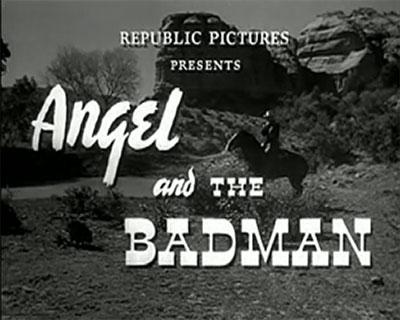
Angel and the Badman (1947)

4/5 (1)

“Angel and the Badman” is a Western film from 1947, written and directed by James Edward Grant, and starring John Wayne and Gail Russell.

The film tells the story of Quirt Evans (played by John Wayne), a notorious gunfighter who is wounded in a shoot-out and taken in by a Quaker family led by a young woman named Penelope Worth (played by Gail Russell). As he recuperates, Quirt begins to question his violent ways and is drawn to the peaceful and compassionate lifestyle of the Quakers.

However, Quirt’s past catches up with him when a rival gunslinger named Laredo Stevens (played by Bruce Cabot) comes looking for revenge. Quirt must decide whether to resort to his old ways and defend himself or follow the pacifist teachings of the Quakers and turn the other cheek.

As the conflict between Quirt and Laredo escalates, Penelope and the Quakers work to show Quirt a different path and help him find redemption.

The film is notable for its exploration of themes such as redemption, forgiveness, and the contrast between violence and nonviolence. It was also one of the first films produced by John Wayne’s own production company, Batjac Productions.

Directors:
James Edward Grant

Writer:
James Edward Grant

Stars:
John Wayne, Gail Russell, Harry Carey

Rate this Movie