Musical

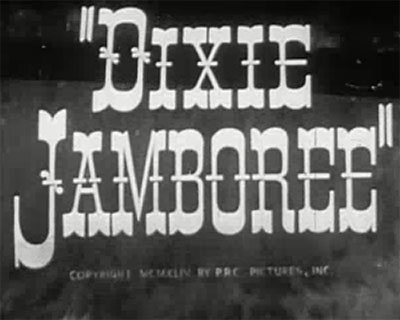
Dixie Jamboree (1944)

3/5 (1)

“Dixie Jamboree” is a musical comedy film released in 1944. The story follows a struggling songwriter named Dan Dixon (played by Fuzzy Knight), who travels to New Orleans to attend a music festival in the hopes of selling his songs to a famous producer.

Once in New Orleans, Dixon meets a beautiful singer named Ginger (played by Frances Langford), who he quickly falls in love with. However, Dixon soon discovers that Ginger is being controlled by her greedy manager, Linton (played by Percy Kilbride), who is only interested in making money off of her talent.

Dixon decides to help Ginger break free from Linton’s grasp and convinces her to sing his songs at the music festival. Despite Linton’s attempts to sabotage their performance, Dixon and Ginger manage to impress the producer and secure a record deal.

As Dixon and Ginger’s careers take off, they find themselves in the middle of a love triangle with another singer named Daisy Mae (played by Sheila Ryan). However, Dixon ultimately chooses Ginger and they continue to perform together, while Linton is left to rue his missed opportunity.

Overall, “Dixie Jamboree” is a light-hearted musical comedy that showcases the talents of its cast and features several memorable musical performances. The film explores themes of love, ambition, and the power of music to bring people together.

Directors:
Christy Cabanne

Writer:
Sam Neuman, Lawrence Taylor

Stars:
Frances Langford, Guy Kibbee, Eddie Quillan
Rate this Movie

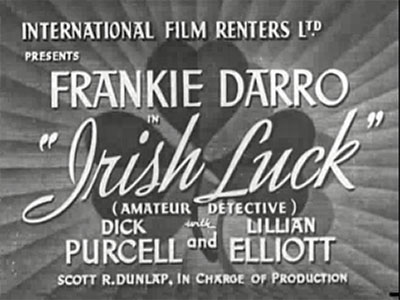
Irish Luck (1939)

3/5 (1)

“Irish Luck” is a 1939 American comedy film directed by Howard Bretherton and starring Frankie Darro and Mantan Moreland. The movie follows the misadventures of a young man named Danny O’Neil (played by Darro), who inherits a racehorse named Irish Sweepstakes from his uncle. With the help of his friend and jockey, Mike (played by Moreland), Danny sets out to train the horse and enter him in a big race.

Danny is initially reluctant to take on the responsibility of the horse, but he is convinced by his girlfriend, Joan (played by Sheila Darcy), who believes that Irish Sweepstakes has what it takes to win the race. Danny and Mike work hard to train the horse, but they face numerous obstacles along the way, including a rival horse owned by a wealthy businessman who will stop at nothing to win.

As the day of the race approaches, Danny and Mike must use all of their wit and ingenuity to outsmart their rivals and win the race. Along the way, they are aided by a colorful cast of characters, including a group of Irish stable hands who provide comic relief.

“Irish Luck” is a lighthearted and entertaining film that combines elements of comedy and drama. Frankie Darro and Mantan Moreland deliver strong performances as the likable protagonists, and the film’s plot is engaging and enjoyable. Overall, “Irish Luck” is a fun and engaging film that is sure to entertain audiences of all ages.

Directors:
Howard Bretherton

Writer:
Mary Eunice McCarthy, Charles M. Brown

Stars:
Frankie Darro, Mantan Moreland, Dick Purcell

Rate this Movie

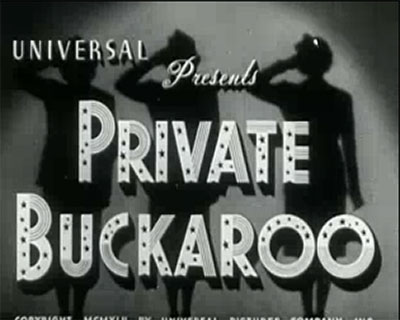
Private Buckaroo (1942)

3/5 (1)

“Private Buckaroo” is a musical comedy film released in 1942, directed by Edward F. Cline and starring The Andrews Sisters, Dick Foran, and Joe E. Lewis.

The film tells the story of a group of new recruits who join the Army during World War II. Among the recruits is Johnny Jones (Dick Foran), a talented singer who is encouraged to audition for a spot in the Army band by the famous Andrews Sisters.

As the recruits train and prepare for battle, they also participate in various musical performances and comedy routines. The film features several musical numbers performed by The Andrews Sisters, including their hit song “Don’t Sit Under the Apple Tree.”

Along the way, the recruits face various challenges and obstacles, including a tough drill sergeant (played by Joe E. Lewis) and a rival Army unit led by a scheming officer (played by Harry James).

As the film reaches its climax, the recruits are called into action and must put their training to the test on the battlefield. In the end, they prove themselves as brave and capable soldiers, while also entertaining their fellow soldiers with their musical talents.

“Private Buckaroo” was made during World War II as a morale booster for American soldiers and civilians. The film combines elements of comedy, music, and patriotism, and features some of the era’s most popular entertainers. It remains a nostalgic look back at the wartime era and a testament to the spirit of American patriotism and resilience.

Directors:
Edward F. Cline

Writer:
Edmond Kelso, Edward James, Paul Gerard Smith

Stars:
Harry James, Patty Andrews, Maxene Andrews

Rate this Movie

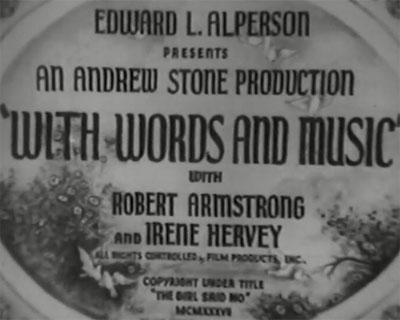
With Words and Music (1937)

4/5 (2)

“With Words and Music” is a musical film directed by Benjamin Stoloff and released in 1937. The film features a star-studded cast and showcases a number of popular songs from the era.

The film follows the story of two songwriters, Johnny Brett and Steve Raleight, who are trying to break into the music industry. They meet a talented singer named Lily Blane, and together they form a successful songwriting team.

As their fame grows, Johnny and Lily fall in love, but their relationship is threatened by Steve’s jealousy and sabotage. They must navigate the ups and downs of the music industry and their own personal relationships as they strive for success.

The film features a number of popular songs, including “With a Song in My Heart,” “My Funny Valentine,” and “The Lady is a Tramp,” all written by Richard Rodgers and Lorenz Hart. It also features performances by some of the era’s most popular entertainers, including Judy Garland, Mickey Rooney, and Ann Sothern.

“With Words and Music” is a delightful and entertaining musical that showcases some of the most iconic songs of the era. It captures the spirit of the golden age of Hollywood and remains a beloved classic to this day.

Directors:
Andrew L. Stone

Writer:
Betty Laidlaw, Robert Lively, Andrew L. Stone

Stars:
Robert Armstrong, Irene Hervey, Paula Stone

Rate this Movie

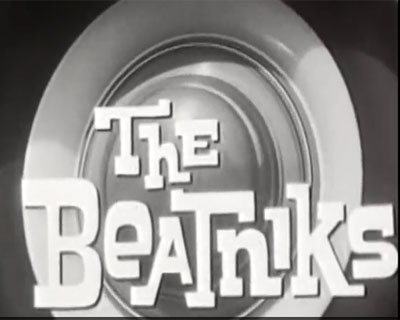
The Beatniks (1960)

3/5 (1)

“The Beatniks” is a 1960 American film directed by Paul Frees and written by Arthur C. Pierce. The film is a low-budget crime drama that explores the seedy world of beatnik culture in 1960s America.

The story follows a group of beatniks, led by the charismatic and manipulative Eddie (Tony Travis), who use their poetry and music to swindle unsuspecting victims. One night, they are involved in a hit-and-run accident, and Eddie convinces the group to go on the run to avoid the police.

As they travel across the country, tensions rise within the group, and Eddie’s manipulative and abusive behavior becomes increasingly apparent. The other members of the group, including the troubled young musician Nick (Peter Breck), begin to question their involvement with Eddie and his criminal activities.

“The Beatniks” is a product of its time, and the film’s portrayal of beatnik culture is often exaggerated and stereotypical. However, it does offer a fascinating glimpse into the counterculture of the early 1960s and the disillusionment and dissatisfaction of many young people at the time.

The film’s soundtrack, featuring music by jazz saxophonist Charles “Charlie” Mariano, is a highlight and captures the cool, improvisational style of the beatnik era. Overall, “The Beatniks” is an interesting and entertaining film that provides a unique perspective on a fascinating period in American cultural history.

Directors:
Paul Frees

Writer:
Paul Frees

Stars:
Tony Travis, Karen Kadler, Peter Breck

Rate this Movie

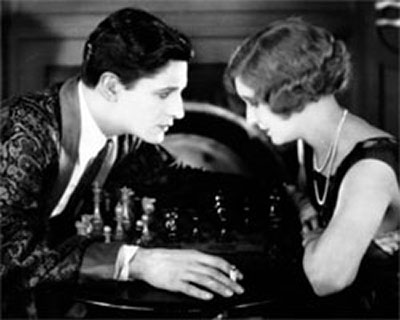
The Phantom Fiend (The Lodger) (1932)

3/5 (1)

“The Lodger” is a 1932 film directed by Maurice Elvey, and also known as “The Phantom Fiend” in some countries. It is a thriller based on the novel of the same name by Marie Belloc Lowndes, which was inspired by the Jack the Ripper murders.

The film takes place in London, where a serial killer known as “The Avenger” is targeting young blonde women. At the same time, a mysterious man calling himself Mr. Slade (Ivor Novello) rents a room from a family of landladies. The family has two daughters, Daisy (June Tripp) and her older sister, a model named Kitty (Marie Ault).

As the murders continue, Kitty becomes increasingly suspicious of Slade, who seems to have a strange fascination with the killings. She discovers that Slade goes out at night wearing a long dark coat and carrying a bag, which he claims contains a musical instrument. Meanwhile, Daisy and Slade become romantically involved.

Kitty contacts the police, who start to investigate Slade. As the evidence mounts against him, Slade confesses to the killings. However, in a twist ending, it is revealed that Slade is actually the brother of one of the victims, who was driven to commit the murders out of a desire for revenge. The real killer is still at large, and the film ends with Slade’s execution.

The film is notable for its innovative use of sound, which was still a relatively new technology at the time. It also features a memorable performance by Ivor Novello as the enigmatic Mr. Slade. “The Lodger” has been remade several times, including in 1944 by John Brahm and in 2009 by David Ondaatje.

Directors:
Maurice Elvey

Writer:
Marie Belloc Lowndes, Miles Mander, Paul Rotha

Stars:
Ivor Novello, Elizabeth Allan, A.W. Baskcomb

Rate this Movie

Extravagance (1930)

3/5 (1)

“Extravagance” is a 1930 pre-code drama film directed by Phil Rosen and starring Alice White, William Powell, and Myrna Loy.

The film follows the story of Nellie Nolan (White), a chorus girl who marries wealthy businessman Bill Wetherby (Powell) in a bid to escape her life of poverty. However, their marriage is fraught with problems as Bill’s socialite friends and family disapprove of Nellie and her working-class background.

As Nellie tries to fit in with high society, she finds herself drawn to Bill’s best friend, Ronnie (Henry Kolker), who shares her passion for the arts. As their relationship develops, Nellie becomes increasingly torn between her love for Ronnie and her loyalty to Bill.

The film explores themes of love, class, and the corrupting influence of wealth and power. The performances of White, Powell, and Loy are standout, with Loy playing the role of Bill’s sophisticated and manipulative sister.

“Extravagance” is a noteworthy pre-code film that depicts the excesses and scandals of the wealthy elite in the 1930s. The film’s melodramatic plot and stylish art deco design make it a must-see for fans of classic Hollywood cinema.

Directors:
Phil Rosen

Writer:
Andrew Percival Younger, Adele Buffington, Phil Rosen

Stars:
Owen Moore, June Collyer, Lloyd Hughes

Rate this Movie

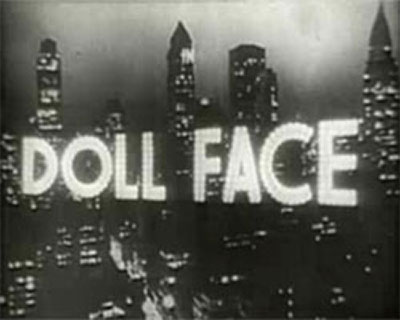
Doll Face (1945)

4/5 (2)

“Doll Face” is a 1945 musical comedy film directed by Lewis Seiler and starring Vivian Blaine, Dennis O’Keefe, and Carmen Miranda.

The film tells the story of Burlesque performer Doll Face Carroll (Blaine), who dreams of becoming a Broadway star. She enlists the help of talent agent Mike Hannegan (O’Keefe), who sees potential in her but also wants her to remain true to her burlesque roots.

As Doll Face rises to stardom, she must navigate the challenges of show business, including a rival performer who seeks to sabotage her career. Along the way, she falls in love with Hannegan but must choose between her career and her heart.

The film features several musical numbers, including performances by Miranda, who plays herself as a guest star in one of Doll Face’s shows.

“Doll Face” is a lighthearted and entertaining musical comedy that captures the glamour and excitement of show business in the 1940s. Blaine delivers a charming performance as the determined and talented Doll Face, and the film’s catchy musical numbers and colorful costumes add to its appeal. The film remains a beloved classic of the genre and a must-see for fans of musical comedies.

Directors:
Lewis Seiler

Writer:
Gypsy Rose Lee, Leonard Praskins, Harold Buchman

Stars:
Vivian Blaine, Dennis O’Keefe, Perry Como

Rate this Movie

Blue Angel (1930)

4.5/5 (2)

“The Blue Angel” is a 1930 German tragicomedy film directed by Josef von Sternberg. The film tells the story of an older and respected high school professor, Immanuel Rath (played by Emil Jannings), who becomes infatuated with a young cabaret singer, Lola Lola (played by Marlene Dietrich), after visiting her nightclub, “The Blue Angel.”

Rath becomes obsessed with Lola, attending her performances night after night and showering her with gifts. Eventually, he convinces her to leave her life as a performer and run away with him. They marry and settle down in his hometown, but their relationship quickly deteriorates as Rath becomes increasingly jealous and possessive of Lola. She eventually grows tired of his controlling behavior and resumes her career as a performer, leading to a final confrontation between the two.

The film was highly influential and made a star out of Marlene Dietrich, who would go on to become one of the most iconic actresses of the 20th century. The film’s themes of obsession and the dangers of romanticizing those from different social classes resonated with audiences at the time and continue to be relevant today.

Directors:
Josef von Sternberg

Writer:
Heinrich Mann, Carl Zuckmayer, Karl Vollmöller

Stars:
Emil Jannings, Marlene Dietrich, Kurt Gerron

Rate this Movie